
Case Study · New-Build Cabin Resort · New York
Zero brand, zero reviews, six cabins — $101K in tracked direct bookings in month one.
- Property
- New-build riverside cabin resort
- Units
- 6 cabins
- Location
- New York
- Owner
- Denver Brenizer
Starting point: Opened June 2026 with no audience, no reviews, no brand and no booking history. Website live June 13, 2026.
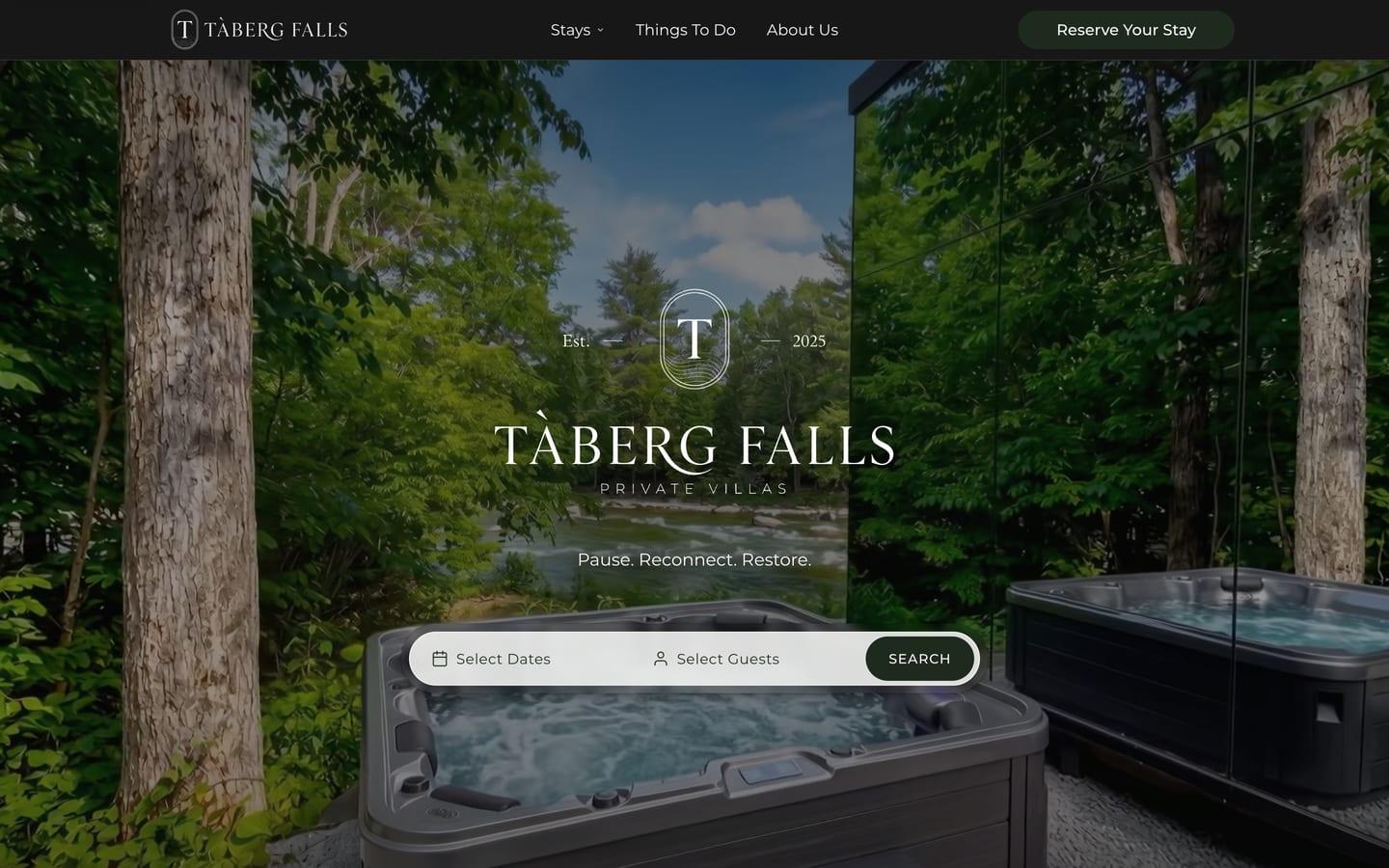

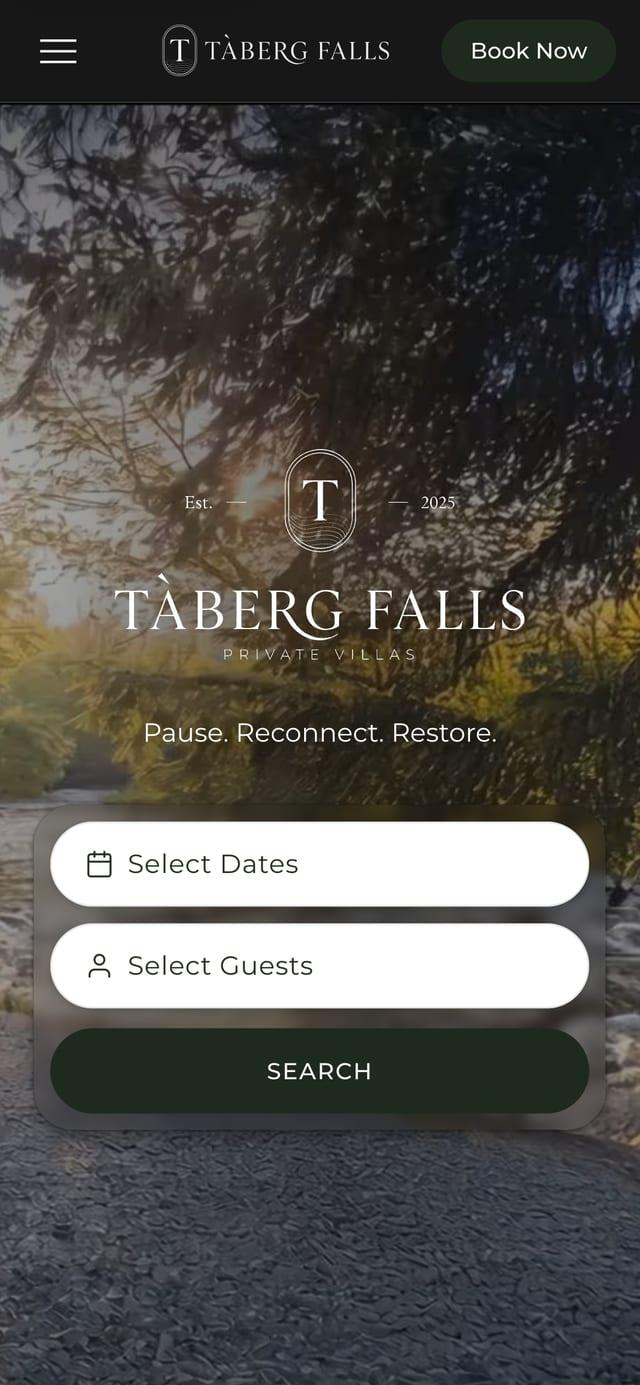

Key results
- Tracked direct-booking revenue in Month 1 (bookings made Jun 13 – Jul 13, 2026)
- Tracked direct-booking revenue in Month 1 (bookings made Jun 13 – Jul 13, 2026)
- Return on $9K of Meta ad spend
- Return on $9K of Meta ad spend
- Ad cost as a share of the direct revenue it produced — below any OTA commission
- Ad cost as a share of the direct revenue it produced — below any OTA commission
- Email leads in 30 days
- Email leads in 30 days
- New followers (12K Instagram + 2K Facebook)
- New followers (12K Instagram + 2K Facebook)
- Views across Instagram and Facebook in Month 1
- Views across Instagram and Facebook in Month 1
The situation
Opening a new property is the hardest marketing problem in hospitality. No reviews, so the OTAs rank you last. No audience, so organic does nothing. No booking history, so you're guessing on rate. Every investor-operator knows this as the ramp — the six to eighteen months of soft occupancy while the asset “finds its footing,” and while the debt service doesn't wait.
Tàberg Falls opened with six cabins on a river in New York and none of the usual advantages. The question was whether the full system, installed from day one, could skip the ramp.
What we installed
The Resort Discovery Funnel — the same system, installed the same way, on every property.
Foundation
- A custom-coded direct-booking website with our best tracking configuration, live before the first guest arrived — so every booking from day one was attributed.
Reach
- Cinematic finishing on the launch photography and video — color grading and motion grading — producing a full content library before the property had a single guest photo.
Capture
- Two-stage landing page and core offer, live at launch.
Nurture
- Automated welcome flow and email campaigns from the first lead.
Convert
- Our five-campaign ROI-driven Meta ads structure — prospecting, list growth, retargeting — turned on the day the site went live.
What it did to the business
Tracked business impact
- $101,000 in direct-booking revenue attributed to Meta ads, on $9,000 of spend. Roughly 11X.
- Ad cost ran at about 9% of the direct revenue it generated — cheaper than any OTA would have charged for the same bookings, on a property the OTAs would have buried.
- Occupancy of 43.5% in July and 72.04% in August — a calendar that opened empty in June.
Owned brand assets
- 5,000 email leads. 12,000 Instagram followers. 2,000 Facebook followers. Over a million views — all in Month 1.
- A brand-new property finished its first month with a bigger owned audience than most established resorts.
How to read this result
One property, one month, launched into peak season with a wide-open calendar. It's a strong signal that the full system works from a cold start; it is not a typical or guaranteed result. Revenue is bookings made in the window, some for future stay dates. Tàberg Falls is an active account and these figures will be updated.
Why this matters if you're launching or expanding
If you're opening a new property — or adding units or a second location to an existing one — the ramp period is the most expensive part of the project, and the one most owners accept as unavoidable. Tàberg Falls shows the alternative: install the demand engine before opening, and the first month is tracked, profitable, and building an audience the property owns. For a portfolio, that's the difference between each new asset starting from zero and each new asset starting from the last one's audience.
More case studies


Evergreen Cabins
0% to 88% direct in 12 months — $726K in tracked direct bookings, and the confidence to expand.
Read case studyabout Evergreen Cabins

FLOHOM
Strong organic reach was already there — the Resort Discovery Funnel turned it into $2.1M direct at an 87% split.
Read case studyabout FLOHOM

Paradise Pointe
A newly acquired 15-cabin resort, rebuilt as a brand — $2.25M in tracked direct bookings in 16 months.
Read case studyabout Paradise Pointe

Starlight Haven
Rural micro-resorts with year-round demand — $1.54M in direct bookings in 12 months at a 12X return on ad spend.
Read case studyabout Starlight Haven

Asheville River Cabins
From OTA-dependent to 86% direct — $1.22M in tracked direct bookings.
Read case studyabout Asheville River Cabins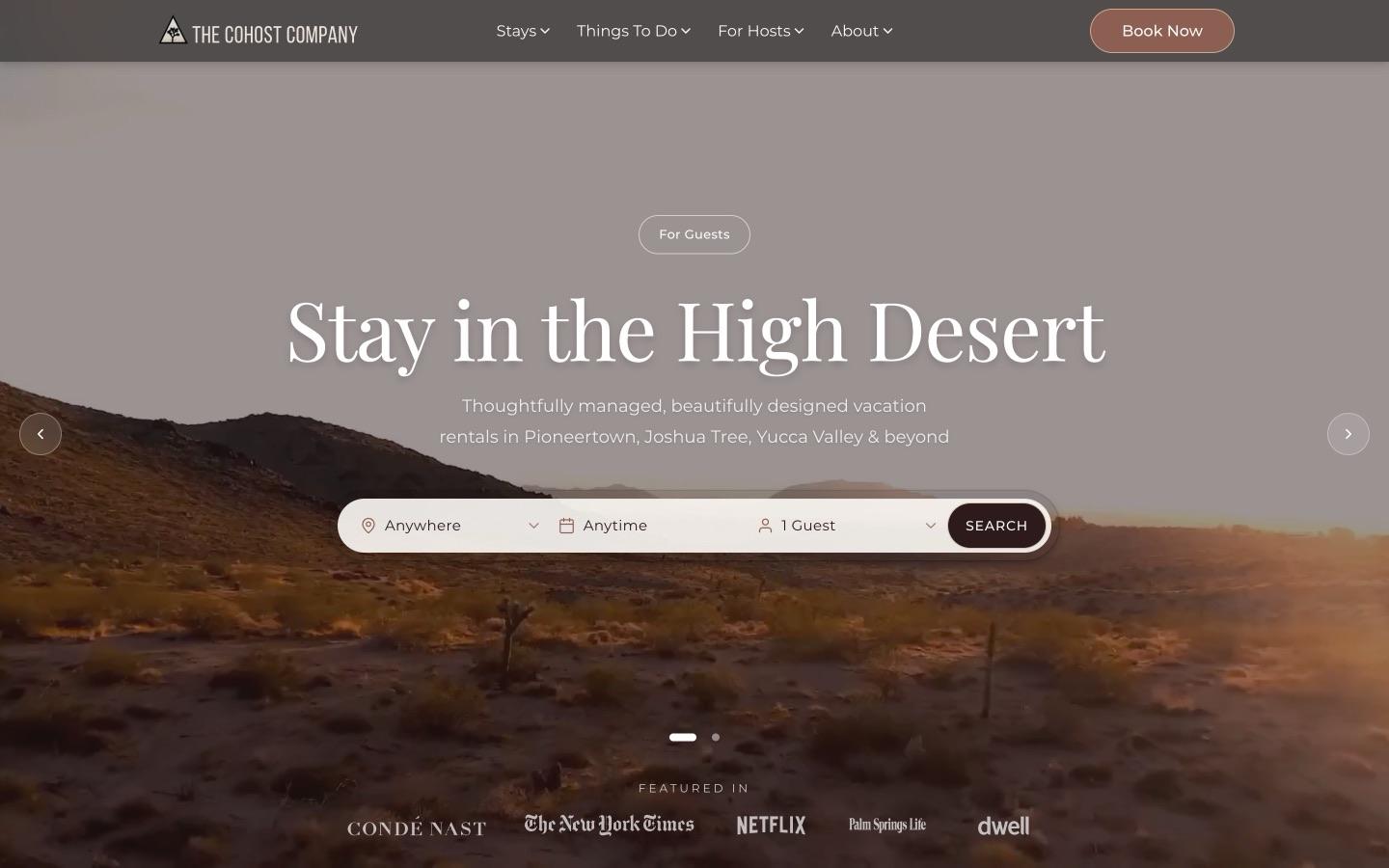
The Cohost Company
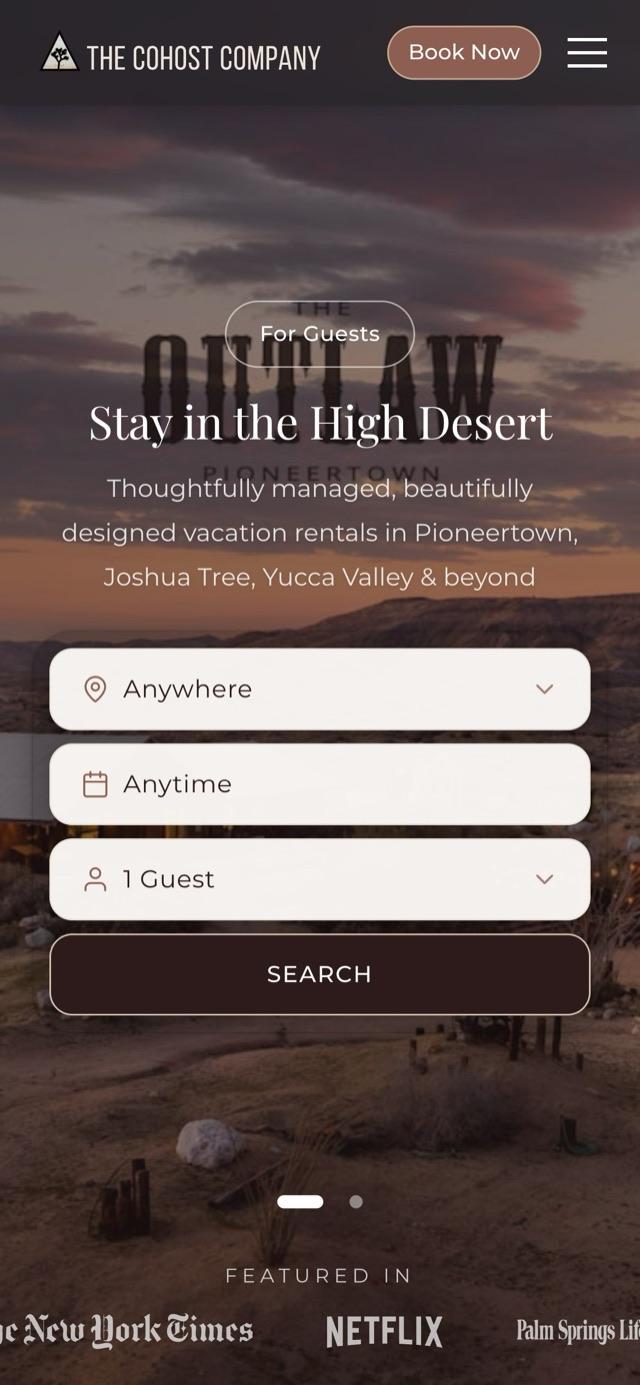
Escaping the platform trap — $737K in tracked direct bookings for a multi-property portfolio brand.
Read case studyabout The Cohost Company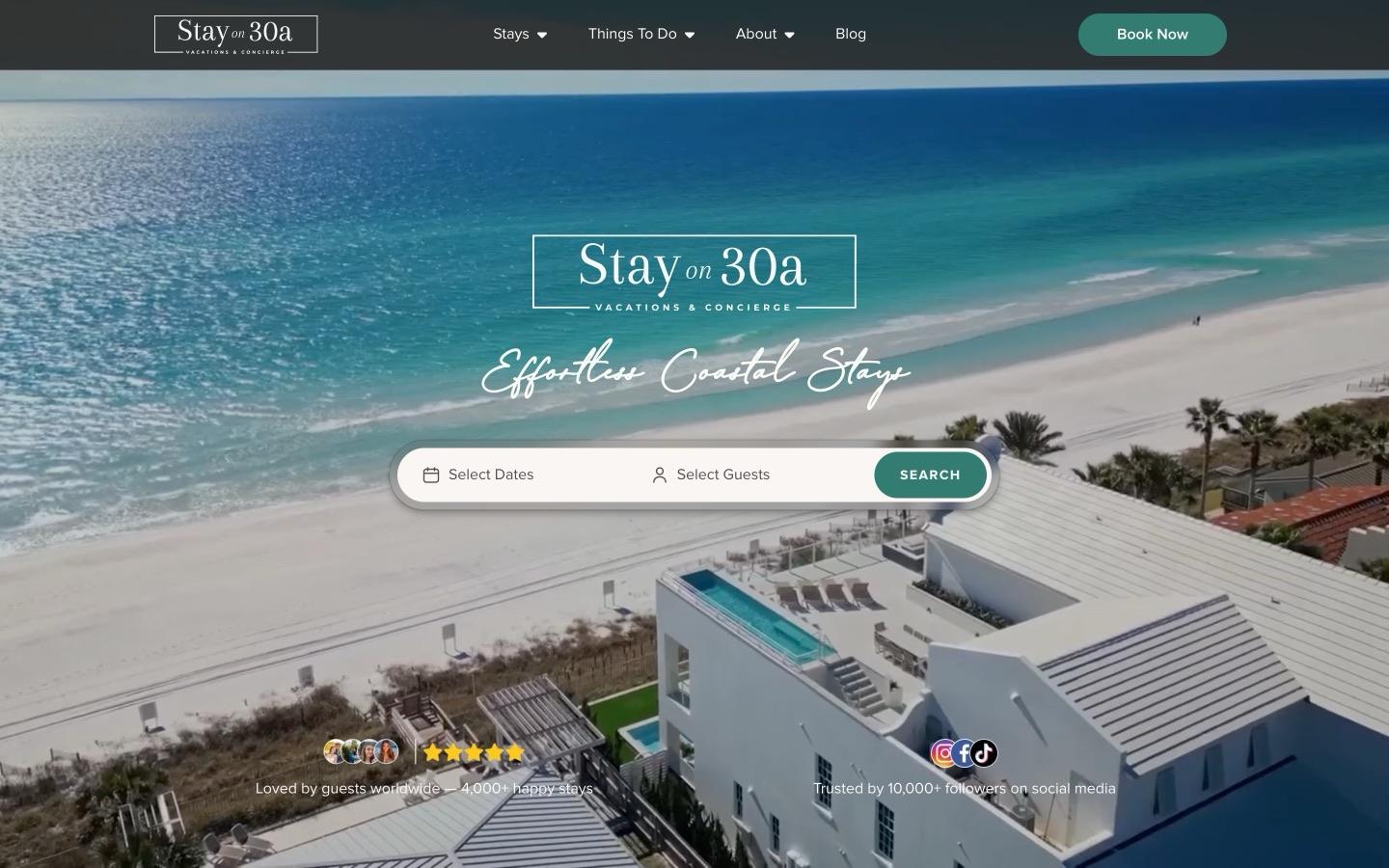
Stayon30A
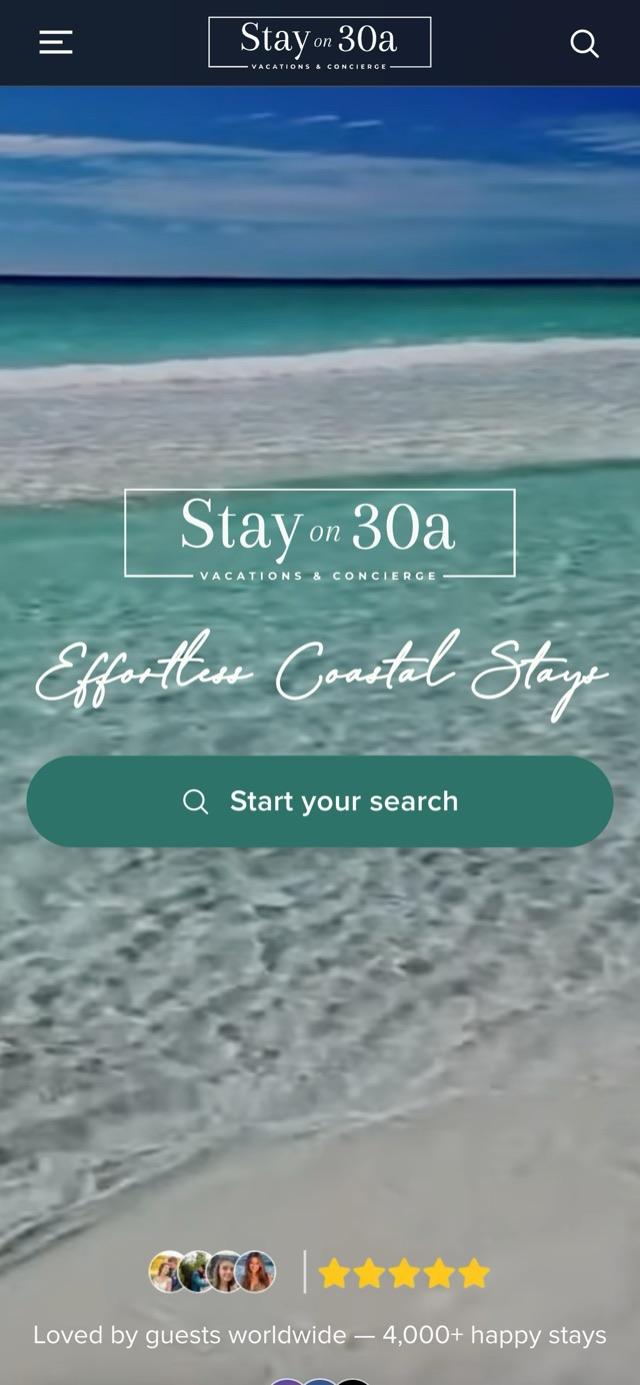
Portfolio-scale proof — $4.38M in tracked direct bookings in 8 months.
Read case studyabout Stayon30A